Blog Oficial de Turismo de Gran Canaria
Roque Nublo and Roque Bentayga, Gran Canaria’s Summit

Gran Canaria, an island full of colour in its mountains, cliffs, and ravines

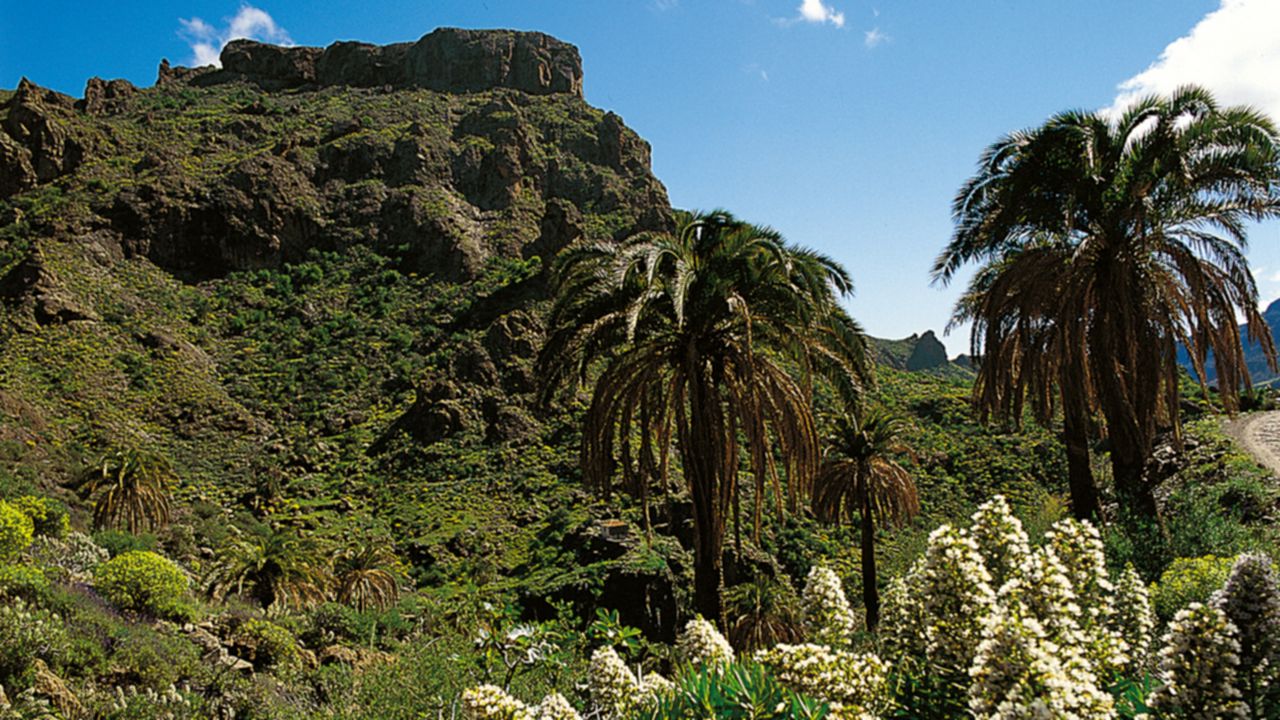
In Gran Canaria, not only are the seasons adorned with almond blossoms and blue tajinastes; but you’ll also spot the rich purple of sage and the bright whites of the retamas.

It is not only the intensity of the light or the blues of the sky that transform Gran Canaria into an island that can shift our mood and delight our gaze. There is also its vegetation: the green of its pine forests, the flowers we find along the paths and in many homes throughout the year, and, above all, the ancient blooms of species that blanket its slopes and ravines through the changing seasons.


(copy 2)

Las Canteras

Some of the best places in Gran Canaria to watch the sun go down

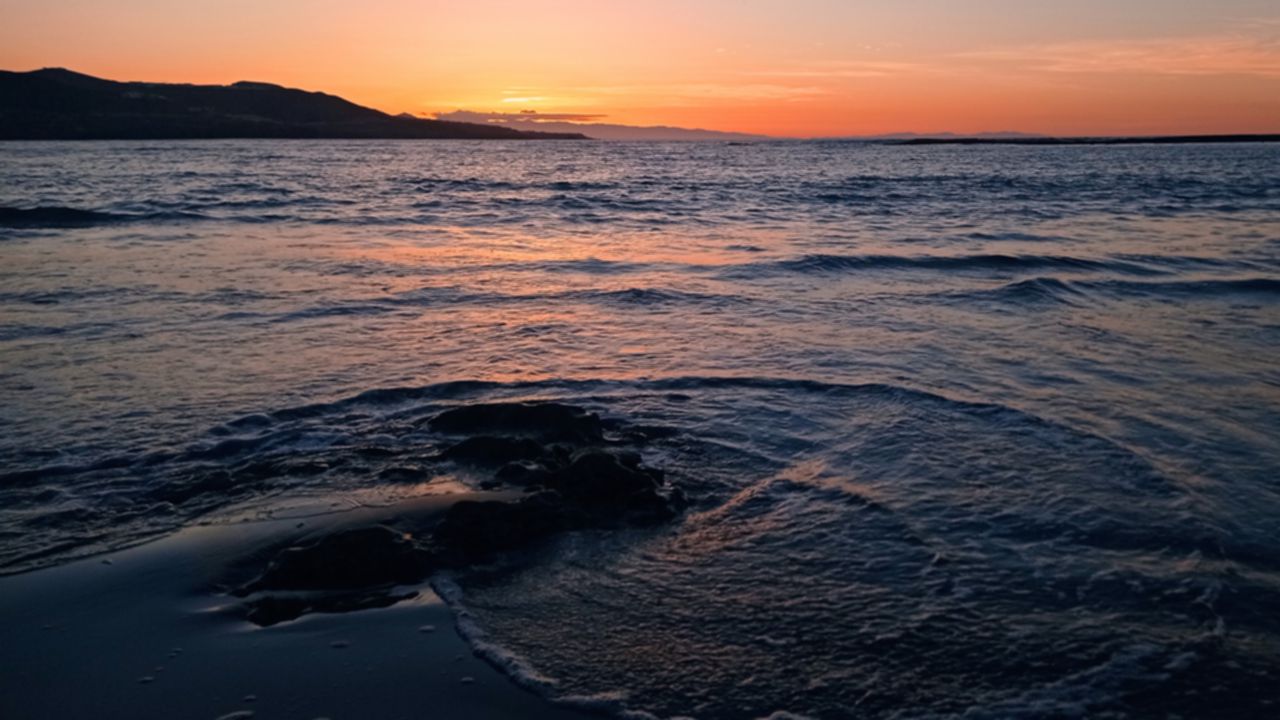
There is a special moment, at the end of a long, lazy day, when the light dances over the landscape soaking it in a warm glow, that makes everything we see through the lens of our camera seem magical. This is the golden hour. Then it's suddenly the blue hour, when the yellow and orange tones give way to pink hues, going on to fade to an intense blue.

The island of Gran Canaria has a lot of places where you can take in this symphony of colors.


Sculpture and Pérez Galdós Theatre

Gran Canaria, native island of the genius Galdós

Gran Canaria invites you on a journey to follow Galdós’s trail on the island from which the famous writer set sail.

Benito Pérez Galdós, one of the most important European writers in the late 19th and early 20th century, was born on 10 May 1843 in Calle Cano in Las Palmas de Gran Canaria. Back then it was a cobbled street lit with oil lamps, moonlight and from then on, the brilliance of his genius. What’s more, the centenary of his death is being commemorated in 2020, although his loss was merely like a parenthesis in any of his novels, echoing the true legacy of people claimed by immortality.

The Galdós’s footsteps have been etched on his native city today, providing an open book to reflect the author’s relationship with the capital city of Gran Canaria and successive demonstrations of appreciation and acknowledgement from the island’s society to the author who was born in the family home in Calle Cano, turned into a House-Museum and where you can even see the crib used to rock this baby whose dreams were destined to make their mark through his works.


Las Nieves windmill, Agaete

The windmills of Gran Canaria

Dotted across the Island are a great many windmills that were used for a variety of different things from milling grain for flour or “gofio”, pumping water for irrigation or even seawater to be used in the salt pans. Nowadays we’ve got wind turbines too, to help us power the Island. But the idea that somehow ecology is a modern concept is totally misguided. Centuries ago, our ancestors were already using water and wind to power those mills.


Instagram