Blog Oficial de Turismo de Gran Canaria
Agaete, Gran Canaria

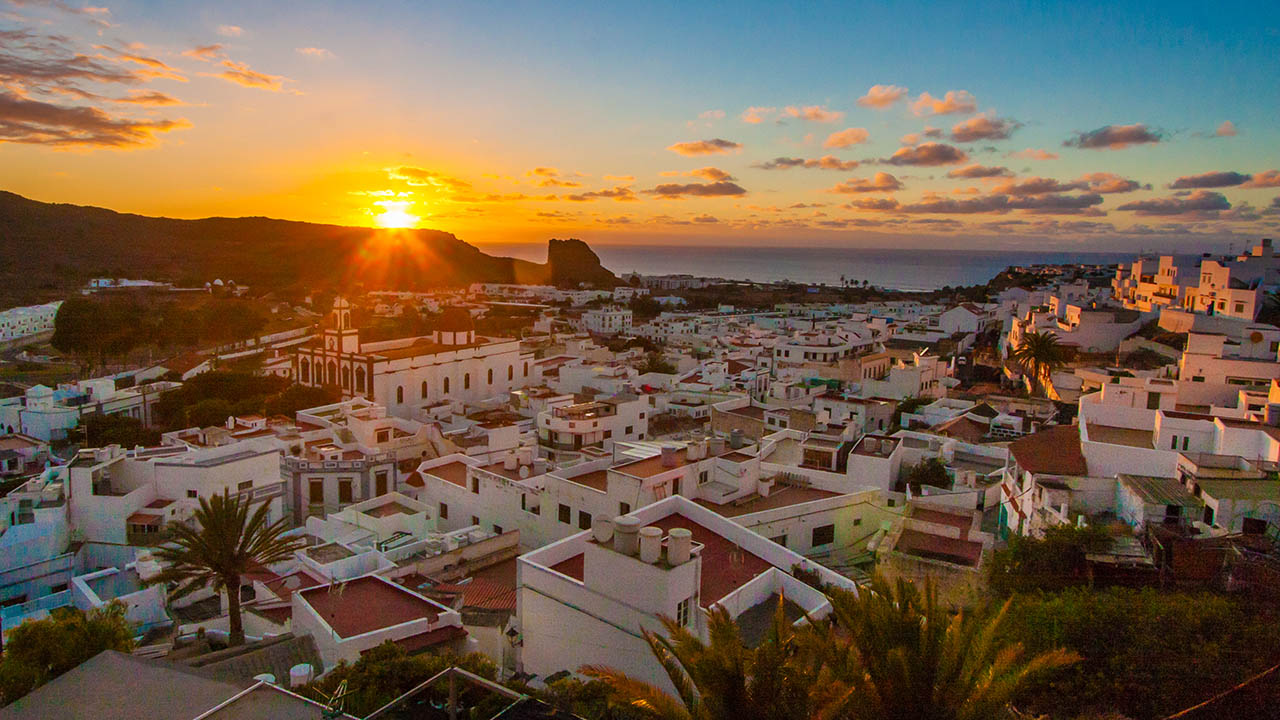
Agaete, the Measure of Beauty in Gran Canaria

The World Tourism Organization (UN Tourism) names the Gran Canaria municipality the Best Tourism Village 2025.

Agaete is a verse by Tomás Morales, a brushstroke from a luminous painting by Pepe Dámaso, the sound of oars slicing through the ocean waters. It is the early-morning crack of a firework, the cheerful bustle of music and papagüevos, a sunset gazing towards Mount Teide. It is a play of colours that changes every day, the Faneque cliff rising over the Atlantic; it is the sea, the trace of an ancient aboriginal culture, Malpaís and Maipés. It is a lush valley, it is coffee, mango, orange and papaya; it is fish, it is the crab that peeks out as the waves break. It is El Juncal, the devotion to the Flemish painting of the Virgin of Las Nieves, it is Faneroque, Antigafo, El Risco – and the majesty, energy and magic of Guayedra Beach.


(copy 2)

Sardina del Norte, Gáldar

Invisible steps in Sardina de Gáldar

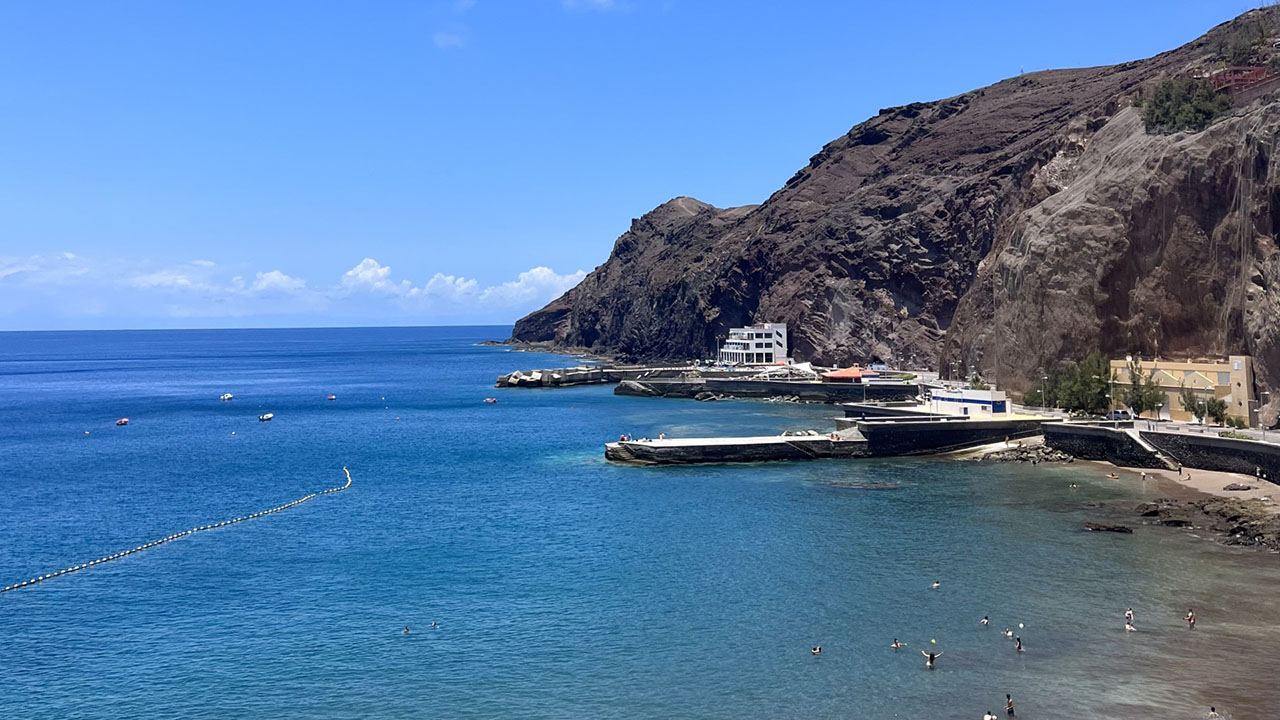
Leave no trace along the renovated promenade in this northern coastal town in Gran Canaria, just take away an indelible memory.

You won’t miss your step along the entire new promenade in Sardina de Gáldar, on the north coast of Gran Canaria. Just let yourself be carried along. You’ll always get to the right place at the right time because there’s no hurry in Sardina - not because the hours don’t matter, but because time literally landed on this coastline sheltered from the pounding of the Atlantic. Boats pulled into the Old Port of Sardina bringing the bells and the clock for the Church of St James, which overlooks the town.


San Juan and San Roque, Las Palmas de Gran Canaria

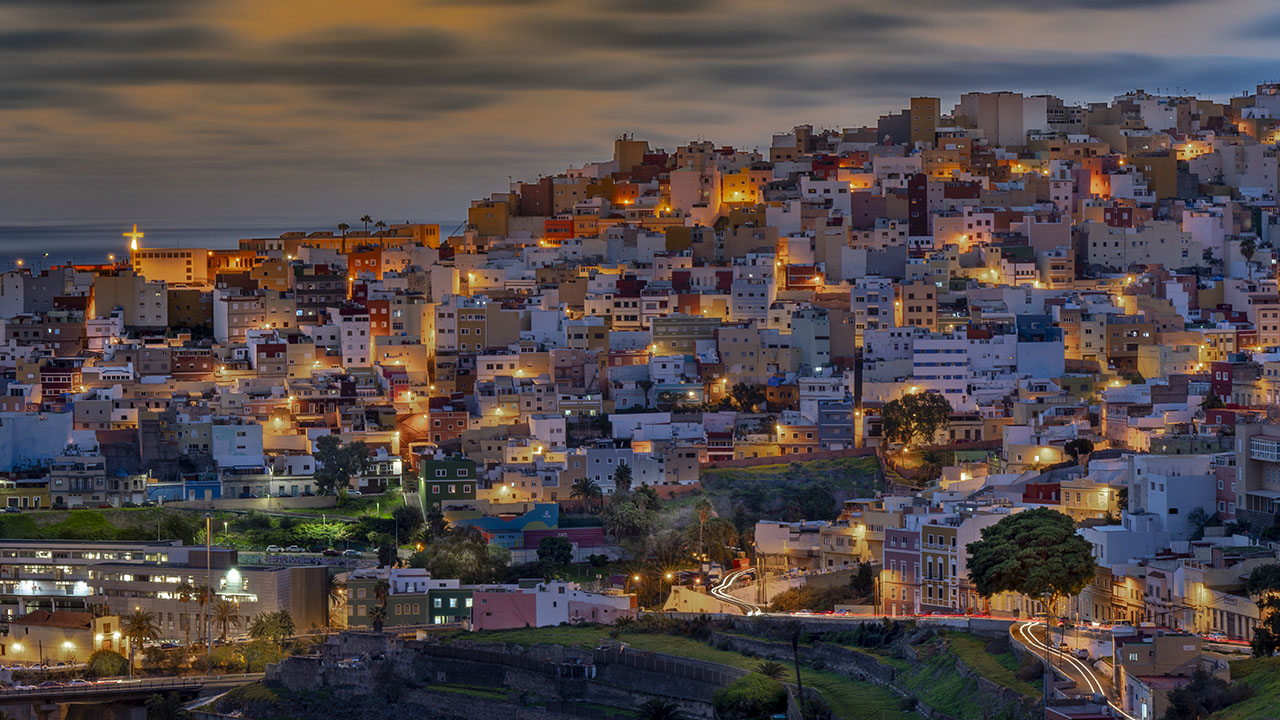
Light lives in El Risco de San Juan

The luminosity of the colourful houses in El Risco de San Juan and other hillsides around Las Palmas de Gran Canaria has an almost hypnotic effect.

Sometimes, the waves drag forgotten treasure to the coast to twinkle on the shore although this is not what is happening here. The colourful houses of El Risco de San Juan began to emerge in the 17th century, as on other hillsides around Las Palmas de Gran Canaria, once the city had begun to spread its wings to the future, from its core in Vegueta and around the Cathedral of Santa Ana.


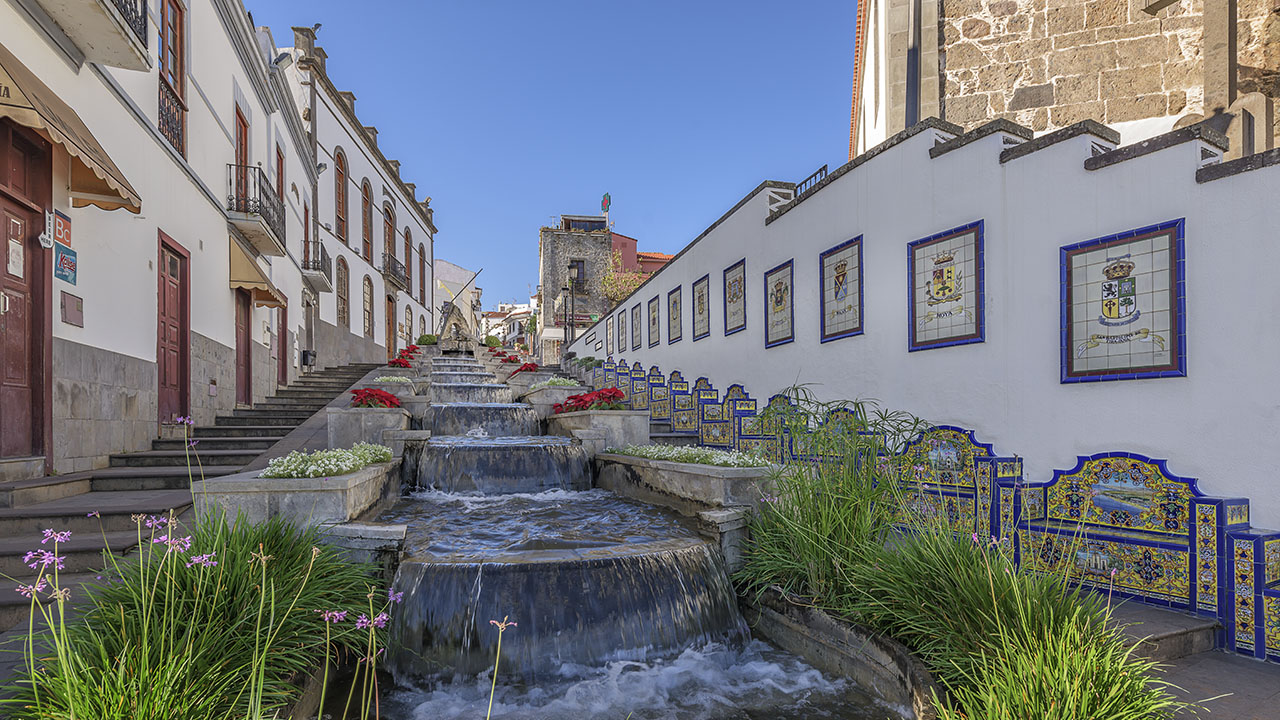
Paseo de Gran Canaria in Firgas

Firgas, the town of water, gofio, murals and music

Although Gran Canaria is surrounded by beaches and a splendid coastline, water is highly valued inland as well. Firgas is not on the coast, although it has its own water-related traditions.

In the north of Gran Canaria, Firgas is a town where water doubtlessly plays a huge part in everyday life. This is not only due to the huge artificial waterfall in the ‘Paseo de Gran Canaria’ as it stretches on from the ‘Paseo de Canarias’, but also its famous, long-standing mill driven using the power of water, and the number of wells, ponds, water conduits, springs, among other features that form part of our landscape.


Instagram